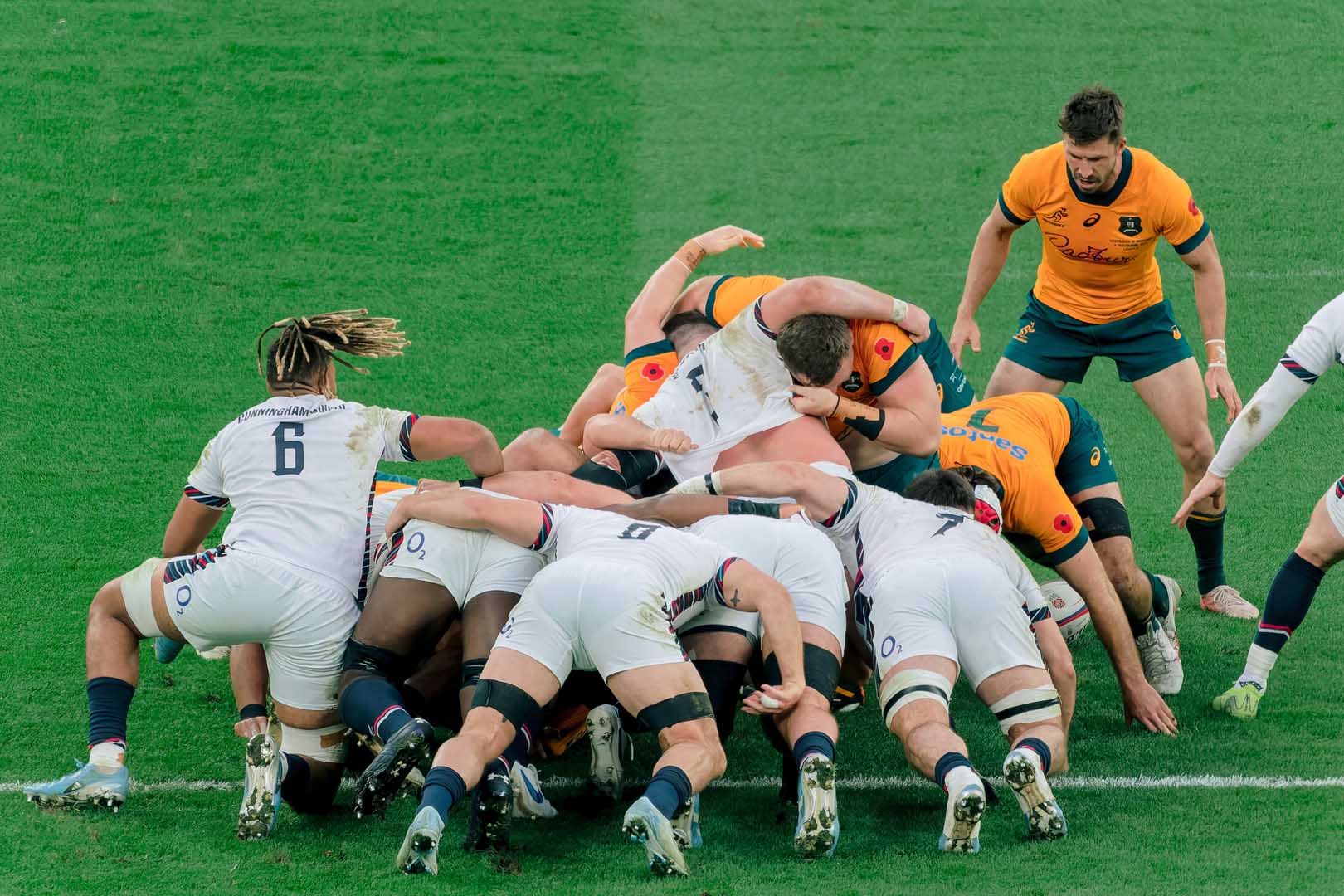
The Autumn Nations Series presents a significant opportunity for Northern Hemisphere teams, serving as a critical test against the battle-hardened teams of the Southern Hemisphere and Pacific Nations. However, many know that the overarching narrative will always be centred around the readiness of each team for the next World Cup cycle.
 Here are all the upcoming fixtures for this year’s Autumn Nations Series 2025.
Date
Fixtures
Round 1
Saturday 1st November
England v Australia
Scotland v USA
Round 2
Saturday 8th November
Ireland v Japan
Scotland v New Zealand
England v Fiji
Italy v Australia
France v South Africa
Sunday 9th November
Wales v Argentina
Round 3
Saturday 15th November
Italy v South Africa
England v New Zealand
Wales v Japan
Ireland v Australia
France v Fiji
Sunday 16th November
Scotland v Argentina
Round 4
Saturday 22nd November
Wales v New Zealand
Ireland v South Africa
Italy v Samoa
France v Australia
Round 5
Sunday 23rd November
Scotland v Tonga
England v Argentina
Saturday 29th November
Wales v South Africa
Here are all the upcoming fixtures for this year’s Autumn Nations Series 2025.
Date
Fixtures
Round 1
Saturday 1st November
England v Australia
Scotland v USA
Round 2
Saturday 8th November
Ireland v Japan
Scotland v New Zealand
England v Fiji
Italy v Australia
France v South Africa
Sunday 9th November
Wales v Argentina
Round 3
Saturday 15th November
Italy v South Africa
England v New Zealand
Wales v Japan
Ireland v Australia
France v Fiji
Sunday 16th November
Scotland v Argentina
Round 4
Saturday 22nd November
Wales v New Zealand
Ireland v South Africa
Italy v Samoa
France v Australia
Round 5
Sunday 23rd November
Scotland v Tonga
England v Argentina
Saturday 29th November
Wales v South Africa

Fixtures
Here are all the upcoming fixtures for this year’s Autumn Nations Series 2025.
Date
Fixtures
Round 1
Saturday 1st November
England v Australia
Scotland v USA
Round 2
Saturday 8th November
Ireland v Japan
Scotland v New Zealand
England v Fiji
Italy v Australia
France v South Africa
Sunday 9th November
Wales v Argentina
Round 3
Saturday 15th November
Italy v South Africa
England v New Zealand
Wales v Japan
Ireland v Australia
France v Fiji
Sunday 16th November
Scotland v Argentina
Round 4
Saturday 22nd November
Wales v New Zealand
Ireland v South Africa
Italy v Samoa
France v Australia
Round 5
Sunday 23rd November
Scotland v Tonga
England v Argentina
Saturday 29th November
Wales v South Africa
England’s Expectations for the Autumn Nations
Development and Exposure Around World-Class Opposition
There are a few key themes surrounding Steve Borthwick’s England camp for the Autumn Nations Series. The official narrative for England is that the series is a “valuable opportunity… to face different styles of rugby as we continue to develop” the squad. The 2025 Autumn Nations Series features England competing against four challenging teams: Australia, Fiji, New Zealand, and Argentina. These are against high-calibre and contrasting opponents that are crucial for testing, which helps with the next World Cup cycle.Emerging Talent and Key Roles
A significant ongoing subplot is competition for starting spots with the emergence of new talent, especially in the attack and back row. Marcus Smith’s performances continue to be a major talking point. He cemented his place as the starting fly-half in the preview series thanks to electric attacking displays. The narrative has focused on his ability to now be a consistent playmaker who “can make things happen” and help guide the team to victory. There’s also a lot of excitement for the next generation players like Chandler Cunningham-South (back-row) and Ollie Sleightholme (wing), and other young players are being watched closely. Coach Borthwick has previously stressed the importance of continuity and enhancing relationships within the squad. Experienced players like newly appointed captain Maro Itoje are expected to anchor the pack and provide stable leadership.Improving Consistency and Improving Games
For England now, the biggest pressure point is whether the team can turn these competitive performances into consistent wins. Especially against top-tier opposition that they may face later on in important tournaments. The Autumn Nations Series is an opportunity for England to eliminate late-game lapses and deliver a strong and consistent winning performance over 80 minutes. A shakeup in the coaching staff with the arrival of Lee Blackett creates a strong expectation for greater fluidity and sharpness in England’s backline play. With this, fans demand a positive win-loss record to show clear growth and improvement within the team. As expected, most eyes are laser-focused on the blockbuster ties against the All-Blacks and Australia.Other Narratives to Look Out For
Transition and Evolution
Many of the competing teams are experiencing a changing of the guard in one way or another. Either a coaching shift, a post-World Cup recalibration, or a generational turnover. Wales and Australia are other clear examples of post-RWC restructuring. Each team has tweaked its coaching staff, meaning its teams are still figuring out their identity. Australia, Ireland, and France, on the other hand, are slightly further along in their transition but are still evolving. They’re working on integrating younger players within the squad, without compromising on squad quality. Italy and Scotland are slowly moving on from “plucky underdogs” to consistent disruptors. The Autumn Nations Series will show how far their development has come and whether they’ll continue to be a consistent top-tier disruptor to look out for. Lastly, South Africa is managing veteran rotation, whilst New Zealand is in the middle of captaincy handovers. The overarching challenge for all these teams is the need to find a balance between experimentation and stability going forward.A Shift in the North / South Power Balance?
The old Northern v Southern Hemisphere rivalry continues, but has the gap finally narrowed? Many are focused on the narrative regarding the momentum swings between the hemispheres, with questions like:- Can the Northern Hemisphere sides (especially Ireland and France) maintain their ascendancy?
- Can the Southern Hemisphere powers (New Zealand, South Africa, Australia) reassert dominance after shaky 2024 campaigns?
- Argentina and Fiji are wild cards; are they capable of upsetting the traditional hierarchies?