For small businesses, every relationship matters. Whether it is motivating a close-knit team or building trust with new clients, finding meaningful ways to connect can have a lasting impact.
Hospitality packages at major sporting and entertainment events offer a powerful yet often overlooked tool for achieving both, combining reward, recognition and relationship-building in a single experience. All, of course, while having a great time!
One of the most effective ways hospitality can benefit small businesses is through employee recognition. Smaller teams often work closely together, with individuals taking on multiple responsibilities and contributing directly to success. A hospitality experience acknowledges that effort in a way that feels genuinely special.
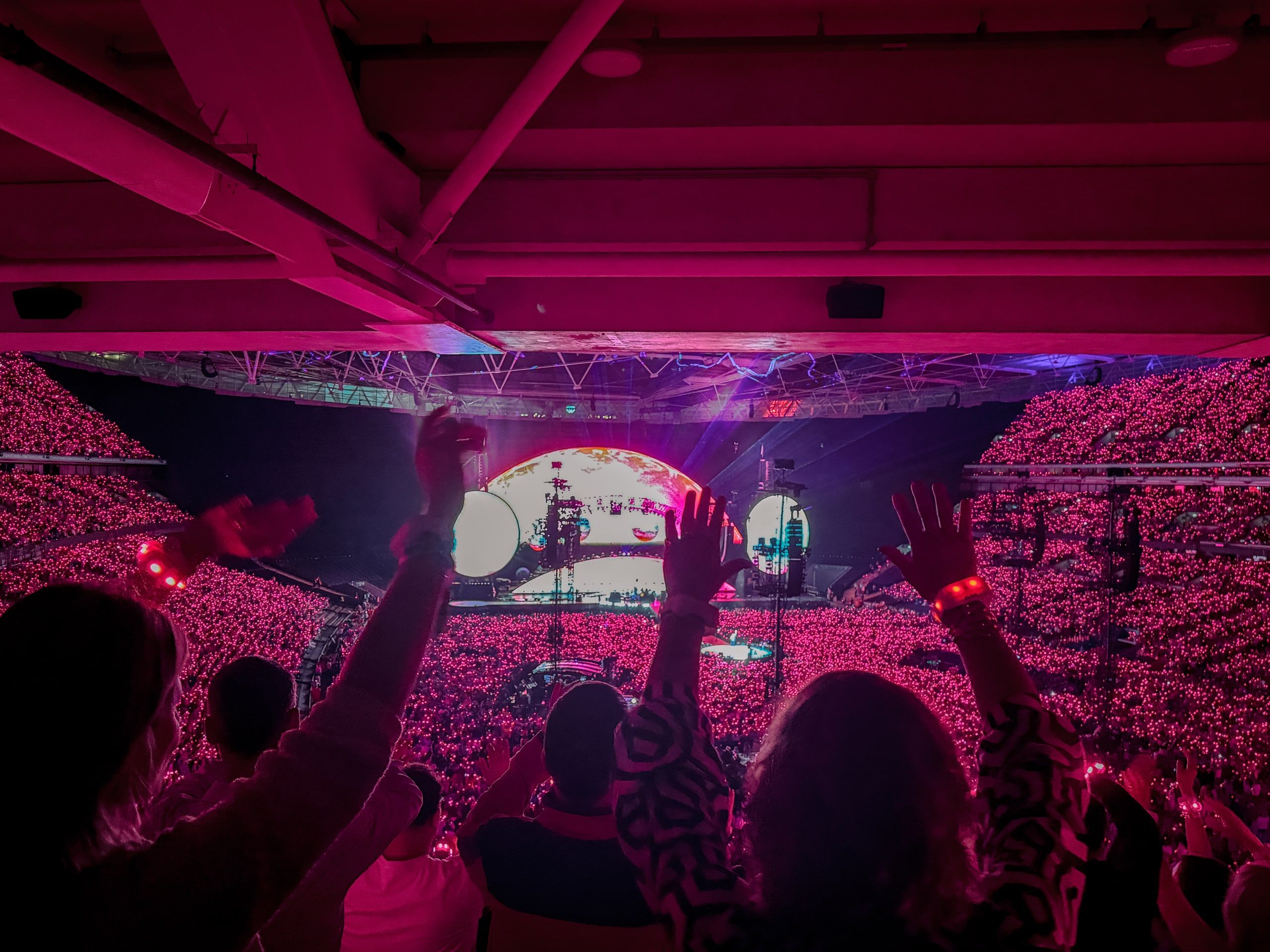
Unlike cash bonuses or standard perks, a day (or evening) at a major event, such as a concert, a comedy show, or a football match, creates shared memories. Employees feel valued not just for what they do but for who they are, which can, in turn, boost morale and loyalty.
These experiences also provide something many workplaces struggle to offer: time together outside the usual environment. Hospitality settings encourage conversation, laughter and connection without the pressures of deadlines or performance reviews. Teams return feeling refreshed, appreciated and more connected to one another, which often translates into stronger collaboration back at work.
Hospitality packages are equally effective for client relationships. Small businesses rely heavily on trust, which is built over time and through shared experiences. Inviting a client to a premium sporting or cultural event creates a relaxed setting where conversations can flow naturally. Away from meeting rooms and formal agendas, discussions are more open and authentic. This can strengthen existing partnerships and help lay the foundations for long-term collaboration.
Networking is another area where hospitality packages offer real value. Hospitality spaces naturally bring together professionals, decision-makers and industry leaders. For small businesses, this can open doors that remain closed. Conversations that start casually over a drink or during a break in play can lead to introductions, referrals or new opportunities. Because the environment is social rather than transactional, connections often feel more genuine and less forced.
There is also a practical advantage. With food, drink, seating and service taken care of, hosts can focus on their guests rather than logistics. This is particularly important for small business owners who may not have the time or resources to manage complex arrangements themselves - and a well-run hospitality experience will always reflect positively on the host.