Are your employees engaged? If the answer is no, your business may be losing money.
The term 'employee engagement' describes the level of enthusiasm and dedication a worker feels toward their job. Disengaged employees often lack enthusiasm for their work and find little joy in the workplace. This is not to say that they are not completing their tasks, but they may be doing the bare minimum. This leads to a lack of motivation or initiative to contribute beyond their basic responsibilities.
These employees typically require external encouragement to stay productive. They tend to be quieter, avoid communication, and rarely seek feedback on their performance. Additionally, they may distance themselves from team interactions and group activities.
The cost of disengagement
It’s easy to believe that employee disengagement only impacts the atmosphere in the workplace. However, the truth is that disengagement directly impacts your bottom line. According to the latest Gallup report, disengagement costs businesses around the globe an estimated £6.8 trillion/$8.9 / $8.9 trillion annually.
This is not a new concept; over a decade ago, HR professionals were already sounding the alarm. Today, the issue has taken on a new urgency with employee engagement now a trending topic in the boardroom.
After ten years, a global pandemic and an economic downturn have led to increased disengagement. Businesses are trying a wide range of solutions to try and counter this trend, with varying degrees of success.
While traditional team-building exercises have their merits, businesses are looking beyond quiz competitions to reconnect, re-energise, and renew their teams. Increasingly, leaders in this space are turning to hospitality experiences as a means of improving workplace relationships.
Why hospitality?
Allowing your team to enjoy premium hospitality at sporting events, concerts, or even via exclusive dining experiences creates memorable moments. This helps translate into a more connected and engaged workforce.
These experiences go beyond the standard office interactions. These events allow employees to bond in a relaxed environment and develop relationships. This will help improve collaboration, communication, and overall job satisfaction. The science behind this is simple. It’s easier to bond with someone you’re having a good time with, as opposed to somebody you see only sitting at the desk across the office with their head down. This more relaxed, less pressurised environment provides the perfect backdrop to get to know the people you work with beyond semi-scripted exchanges by the coffee machine.
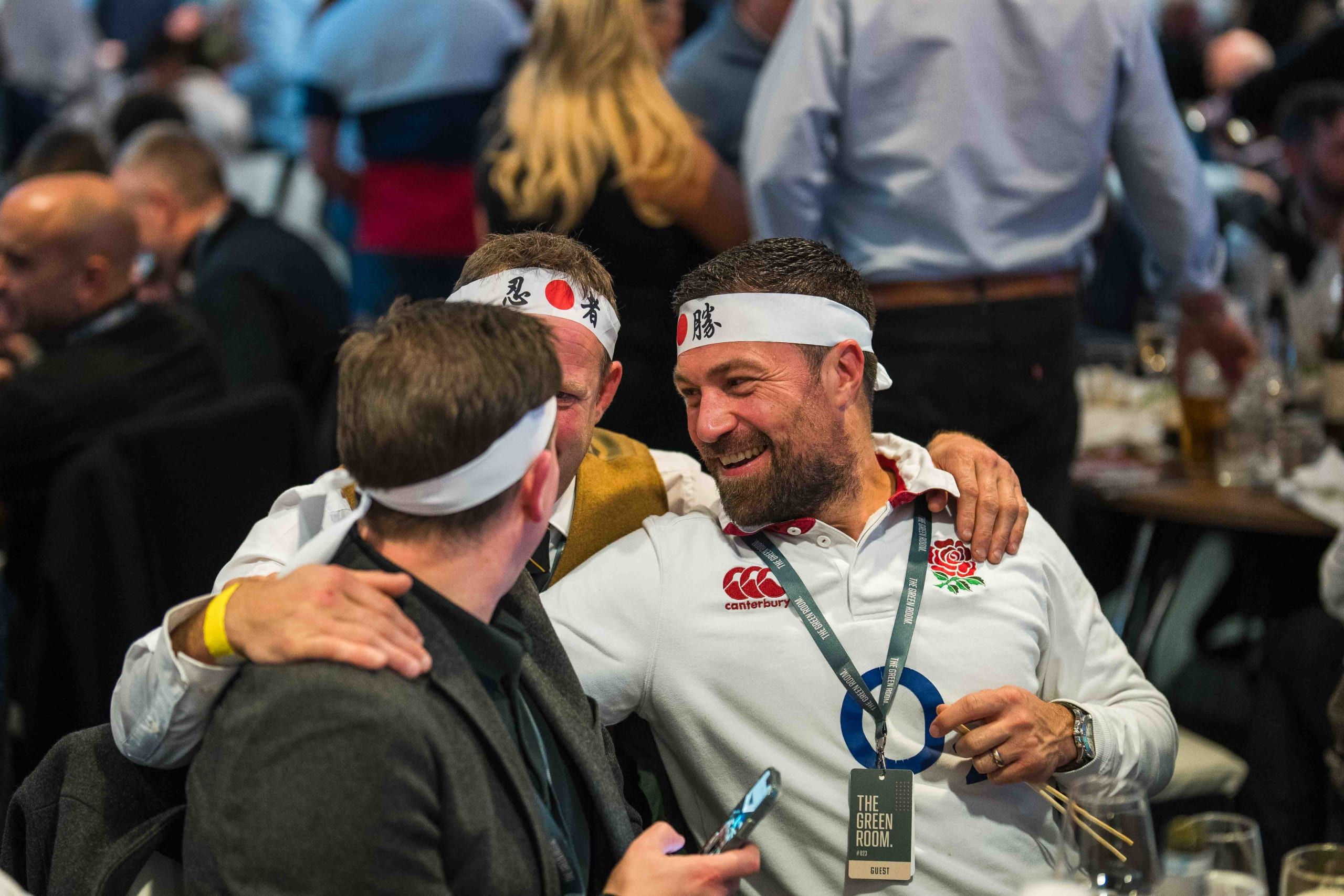
One of the most effective ways to use hospitality for employee engagement is by taking teams to major sporting events. A day at a football match, rugby game, or Formula 1 race - complete with VIP seating, fine dining, and premium service - offers employees an unforgettable experience. The shared excitement of watching a live event fosters camaraderie, as colleagues celebrate victories, experience tense moments, and share in the overall thrill of the game.
Beyond sporting events, many companies are embracing other premium hospitality experiences to strengthen team bonds. High-end corporate retreats at luxury resorts provide employees with an opportunity to unwind together. Whether it’s a weekend at a countryside estate with gourmet meals, spa treatments, and engaging group activities, or an exclusive fine-dining experience at a Michelin-starred restaurant, these hospitality-driven outings allow employees to interact in a setting free from work-related stress.
Whether at a music festival, a theatre premiere, or a prestigious awards ceremony, these experiences provide a sense of luxury and exclusivity that employees may not typically have access to. Sharing such a special occasion with colleagues creates lasting memories that translate into stronger professional relationships. The nature of such events encourages open conversation, helping team members build trust and better understand each other’s personalities, strengths, and working styles.
The Effects of Hospitality
Employees who experience these moments together are more likely to communicate openly, support each other’s ideas, and work collaboratively towards shared goals. The result is a more harmonious work environment where colleagues feel comfortable collaborating and supporting one another.
When employees feel appreciated and part of a team, they are more likely to invest themselves fully in their roles. They will return to the workplace with a renewed sense of enthusiasm, stronger relationships with their colleagues, and a deeper appreciation for their company’s investment in their well-being.
And remember, hospitality experiences should not be limited to one-off occurrences! Integrating them into a company’s culture as a regular practice can yield long-term benefits. When employees know that their hard work is recognised and rewarded with extraordinary experiences, they are more likely to remain engaged and committed to their organisation - and to each other.
Get in Touch
Are you interested in learning more about designing a hospitality experience that rewards and recognises your team? We can help. Get in touch to speak to one of our team members for a personalised solution built around your business and your needs.