
Rugby’s international landscape will look very different in 2026. After years of discussion, abandoned proposals, and calendar reshuffles, World Rugby will finally introduce a new global competition: the Nations Championship 2026.
The tournament will sit alongside the Rugby World Cup and British & Irish Lions tours, filling gaps in the international schedule during off-years. It will give teams and supporters a consistent rhythm of high-quality rugby to enjoy.
Although details have circulated for some time, its arrival in 2026 will reshape global rugby in a very real way.
How the Nations Championship Will Work

The tournament will feature a top division of 12 teams. Six will come from the Guinness Six Nations – England, Ireland, Scotland, Wales, France, and Italy. They will join the four SANZAAR nations that make up The Rugby Championship – New Zealand, South Africa, Australia, and Argentina.
Two invited teams will complete the lineup, with Japan and Fiji expected to take those places.
World Rugby will split the 12 teams into two conferences by geography. European sides will compete in one conference. The four Rugby Championship nations plus the two invited teams will form the other. Teams will not face opponents in their own conference. Instead, each team will play all six nations in the opposite conference.
This cross-hemisphere format ensures every side plays three matches in the July international window, hosted in the southern hemisphere. Teams will then play three more in November, when northern nations host the reverse fixtures.
The season will conclude with a finals weekend at the end of November. The top team from each conference will meet in a Grand Final to determine the champion. Additional placement matches will give teams competitive finishes.
The competition will run every two years, avoiding World Cup and Lions years. A second division will run alongside the top tier. Promotion and relegation are expected from 2030.
Why the Competition Matters
World Rugby designed the Nations Championship 2026 to address modern rugby’s challenge of balancing tradition with growth. Officials have argued that the Test calendar lacked structure, leaving international windows filled with friendlies of uneven quality and commercial value.
Northern teams often faced the same touring nations, while southern teams faced similarly limited opposition in the autumn. Fans became familiar with established combinations, but the lack of variation made it hard to build consistent global narratives.
The Nations Championship will create regular meetings between teams that rarely meet outside World Cup cycles. England travelling to Buenos Aires in July, or South Africa hosting Italy in back-to-back seasons, will become part of the rhythm of the competition rather than dependent on scheduling luck.
Supporters will enjoy a clearer sense of progress. Teams will play meaningful matches rather than tune-ups.
Another key goal is increasing opportunities for developing nations. While invited sides will not initially face relegation, the second division provides a structured pathway for emerging unions to reach elite competition in future editions.
What It Means for Teams and Fans
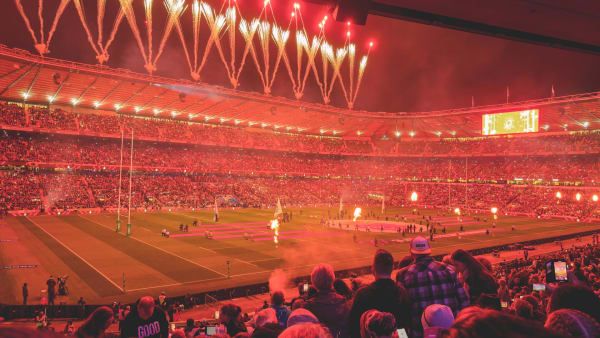 Teams will face more cross-hemisphere fixtures. Northern sides will tour the southern hemisphere every July. Southern teams will make regular November trips to Europe.
Coaches will welcome these fixtures for testing their squads more frequently. However, careful planning will be needed to manage player workloads.
Fans will gain more big games throughout the season. The Grand Final between conference winners will create a marquee event outside World Cup years. Supporters will enjoy a consistent schedule of high-quality international rugby.
Teams will face more cross-hemisphere fixtures. Northern sides will tour the southern hemisphere every July. Southern teams will make regular November trips to Europe.
Coaches will welcome these fixtures for testing their squads more frequently. However, careful planning will be needed to manage player workloads.
Fans will gain more big games throughout the season. The Grand Final between conference winners will create a marquee event outside World Cup years. Supporters will enjoy a consistent schedule of high-quality international rugby.
Hospitality and the Matchday Experience
Premium hospitality will match the elevated status of these fixtures. At Allianz Stadium, Twickenham, The Green Room will provide one of the standout experiences for supporters.
The Green Room combines expert sporting insight with a relaxed, sociable setting. Guests will enjoy former players, exceptional dining, and prime viewing.
For fans planning a full day, it promises a combination of atmosphere and access that goes beyond a standard match ticket. The Nations Championship 2026 will offer a level of engagement and excitement that matches its transformative impact on the sport.